
Contents
- 📖 Introduction to Machine Learning
- 🤖 Understanding Machine Learning Algorithms
- 📊 Supervised Learning Basics
- 📈 Unsupervised Learning Concepts
- 📝 Reinforcement Learning Fundamentals
- 🎯 Putting Machine Learning into Practice
- 📊 Model Evaluation and Selection
- 🚀 Advanced Machine Learning Topics
- 🤝 Real-World Applications of Machine Learning
- 📚 Conclusion and Next Steps
- Frequently Asked Questions
- Related Topics
Overview
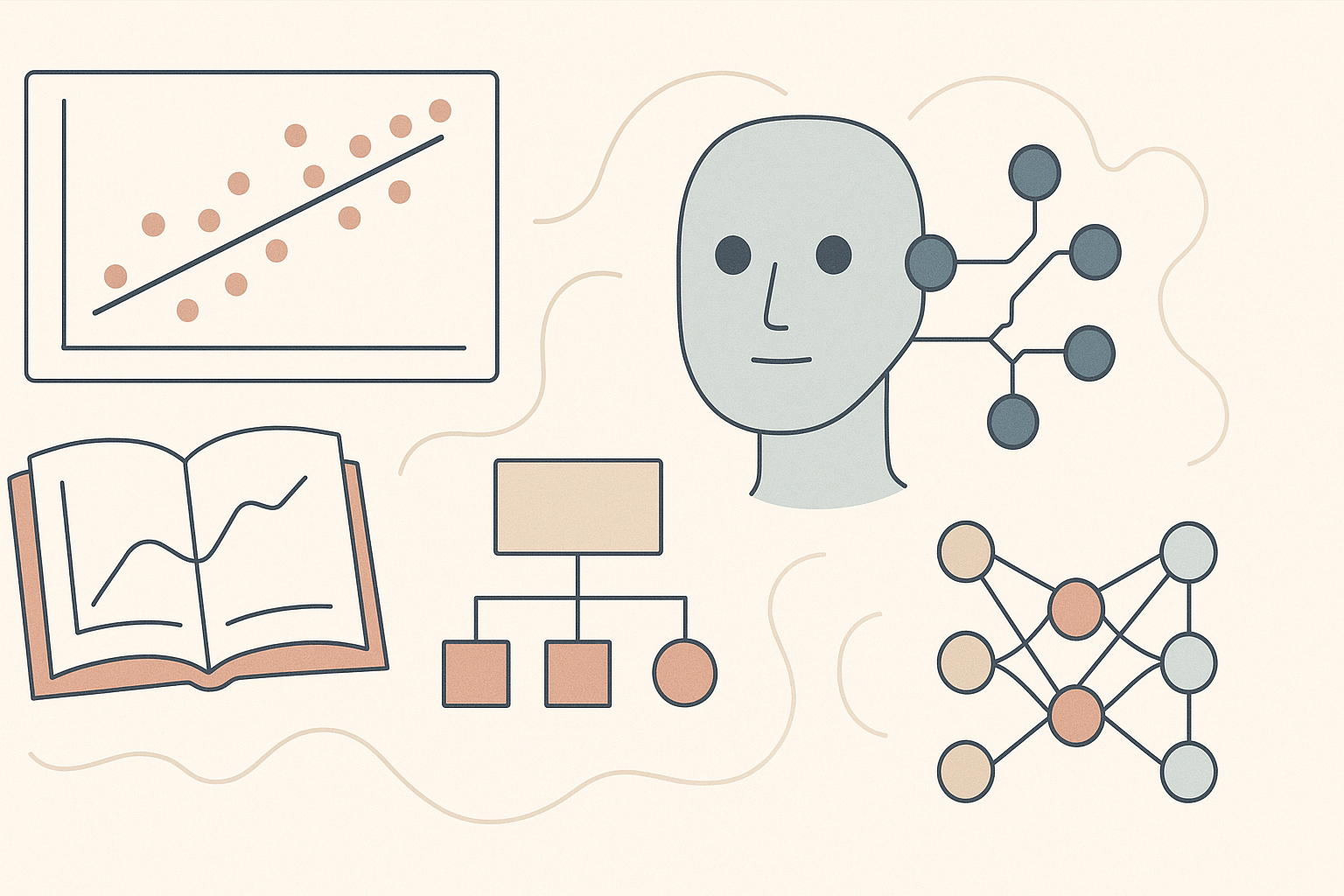
Machine learning algorithms are the backbone of artificial intelligence, enabling computers to learn from data and make predictions or decisions. Starting with simple concepts like supervised and unsupervised learning, we'll build complexity by exploring key algorithms such as linear regression, decision trees, and neural networks. Try this: implement a basic linear regression model using a library like scikit-learn to predict continuous outcomes. As you progress, you'll learn how to evaluate model performance, handle overfitting, and tune hyperparameters for optimal results. With real-world examples and hands-on exercises, you'll gain a deep understanding of machine learning algorithms and their applications in areas like computer vision, natural language processing, and recommender systems. By the end of this course, you'll be able to design and deploy your own machine learning models to drive business value and insights. What's next: explore advanced topics like deep learning, reinforcement learning, and transfer learning to stay ahead of the curve in this rapidly evolving field.
📖 Introduction to Machine Learning
Welcome to the world of machine learning! In this lesson, we'll explore the basics of machine learning and its various applications. Machine learning is a subset of artificial intelligence that enables systems to learn from data without being explicitly programmed. We'll delve into the different types of machine learning algorithms, including supervised learning, unsupervised learning, and reinforcement learning. Try this: think of a scenario where you'd like to apply machine learning, and we'll explore how to approach it throughout this lesson. For more information on getting started with machine learning, check out our Introduction to Machine Learning course.
🤖 Understanding Machine Learning Algorithms
Machine learning algorithms are the backbone of any machine learning model. These algorithms enable systems to learn from data and make predictions or decisions. We'll explore the different types of machine learning algorithms, including linear regression, decision trees, and neural networks. For example, Google uses machine learning algorithms to power its search engine and recommend relevant results. Try this: experiment with a simple machine learning algorithm, such as scikit-learn, to get a feel for how they work. You can also learn more about machine learning with Python and its applications.
📊 Supervised Learning Basics
Supervised learning is a type of machine learning where the system is trained on labeled data. This means that the system is given a set of input data and the corresponding output data, and it must learn to map the input to the output. We'll explore the basics of supervised learning, including regression and classification. For example, image classification is a classic supervised learning problem, where the system must learn to classify images into different categories. Try this: work through a supervised learning example, such as iris dataset, to see how it works. You can also learn more about deep learning and its applications in supervised learning.
📈 Unsupervised Learning Concepts
Unsupervised learning is a type of machine learning where the system is trained on unlabeled data. This means that the system must find patterns or structure in the data without any prior knowledge of the output. We'll explore the basics of unsupervised learning, including clustering and dimensionality reduction. For example, customer segmentation is a classic unsupervised learning problem, where the system must learn to group customers into different segments based on their behavior. Try this: experiment with an unsupervised learning algorithm, such as k-means, to see how it works. You can also learn more about natural language processing and its applications in unsupervised learning.
📝 Reinforcement Learning Fundamentals
Reinforcement learning is a type of machine learning where the system learns by interacting with an environment. This means that the system must learn to take actions in the environment to maximize a reward signal. We'll explore the basics of reinforcement learning, including q-learning and policy gradients. For example, game playing is a classic reinforcement learning problem, where the system must learn to play a game to maximize its score. Try this: work through a reinforcement learning example, such as cartpole, to see how it works. You can also learn more about reinforcement learning with Python and its applications.
🎯 Putting Machine Learning into Practice
Now that we've explored the different types of machine learning algorithms, it's time to put them into practice! We'll work through a series of examples, including image classification, sentiment analysis, and recommendation systems. Try this: choose a problem you'd like to solve, and we'll work through how to apply machine learning to it. For more information on machine learning applications, check out our Machine Learning Applications course. You can also learn more about machine learning tools and their applications.
📊 Model Evaluation and Selection
Evaluating and selecting the right machine learning model is crucial for any project. We'll explore the different metrics used to evaluate machine learning models, including accuracy, precision, and recall. We'll also discuss how to select the right model for a given problem, including cross-validation and hyperparameter tuning. For example, Kaggle is a popular platform for machine learning competitions, where teams compete to build the best model for a given problem. Try this: experiment with different evaluation metrics and model selection techniques to see how they work. You can also learn more about model evaluation and its applications.
🚀 Advanced Machine Learning Topics
In this section, we'll explore some advanced topics in machine learning, including deep learning, transfer learning, and attention mechanisms. We'll also discuss some of the latest developments in machine learning, including explainable AI and adversarial attacks. For example, Stanford University has a number of research groups focused on advanced machine learning topics, including the Stanford AI Lab. Try this: read some research papers on advanced machine learning topics to see what's on the cutting edge. You can also learn more about advanced machine learning and its applications.
🤝 Real-World Applications of Machine Learning
Machine learning has a wide range of applications in the real world, from self-driving cars to medical diagnosis. We'll explore some of the most exciting applications of machine learning, including natural language processing, computer vision, and robotics. For example, Amazon uses machine learning to power its recommendation systems and customer service. Try this: think of a problem you'd like to solve, and we'll explore how to apply machine learning to it. You can also learn more about machine learning in industry and its applications.
📚 Conclusion and Next Steps
In conclusion, machine learning is a powerful tool for building intelligent systems. We've explored the different types of machine learning algorithms, including supervised learning, unsupervised learning, and reinforcement learning. We've also worked through a series of examples and applications, from image classification to recommendation systems. Try this: apply what you've learned to a real-world problem, and see what you can accomplish! For more information on machine learning and its applications, check out our Machine Learning Courses. You can also learn more about machine learning certification and its benefits.
Key Facts
- Year
- 2022
- Origin
- Frenly Academy
- Category
- Courses
- Type
- Course Module
Frequently Asked Questions
What is machine learning?
Machine learning is a subset of artificial intelligence that enables systems to learn from data without being explicitly programmed. It's a powerful tool for building intelligent systems, and has a wide range of applications in the real world. For more information, check out our Introduction to Machine Learning course.
What are the different types of machine learning algorithms?
There are several types of machine learning algorithms, including supervised learning, unsupervised learning, and reinforcement learning. Supervised learning involves training a system on labeled data, while unsupervised learning involves training a system on unlabeled data. Reinforcement learning involves training a system to take actions in an environment to maximize a reward signal. For more information, check out our Machine Learning Algorithms course.
How do I get started with machine learning?
Getting started with machine learning can be intimidating, but there are many resources available to help. We recommend starting with some online courses or tutorials, such as our Introduction to Machine Learning course. You can also experiment with some machine learning algorithms and tools, such as scikit-learn or TensorFlow. For more information, check out our Machine Learning Tools course.
What are some real-world applications of machine learning?
Machine learning has a wide range of applications in the real world, from self-driving cars to medical diagnosis. Some other examples include natural language processing, computer vision, and robotics. For more information, check out our Machine Learning Applications course.
How do I evaluate and select the right machine learning model?
Evaluating and selecting the right machine learning model is crucial for any project. We recommend using metrics such as accuracy, precision, and recall to evaluate the performance of a model. You can also use techniques such as cross-validation and hyperparameter tuning to select the right model for a given problem. For more information, check out our Model Evaluation course.
What are some advanced topics in machine learning?
Some advanced topics in machine learning include deep learning, transfer learning, and attention mechanisms. These topics are currently being researched and developed by many experts in the field, and have the potential to lead to significant breakthroughs in the future. For more information, check out our Advanced Machine Learning course.
How do I apply machine learning to a real-world problem?
Applying machine learning to a real-world problem can be challenging, but there are many resources available to help. We recommend starting by defining the problem you want to solve, and then selecting the right machine learning algorithm and tools to use. You can also experiment with different techniques and evaluate the performance of your model using metrics such as accuracy and precision. For more information, check out our Machine Learning Applications course.