
Summary
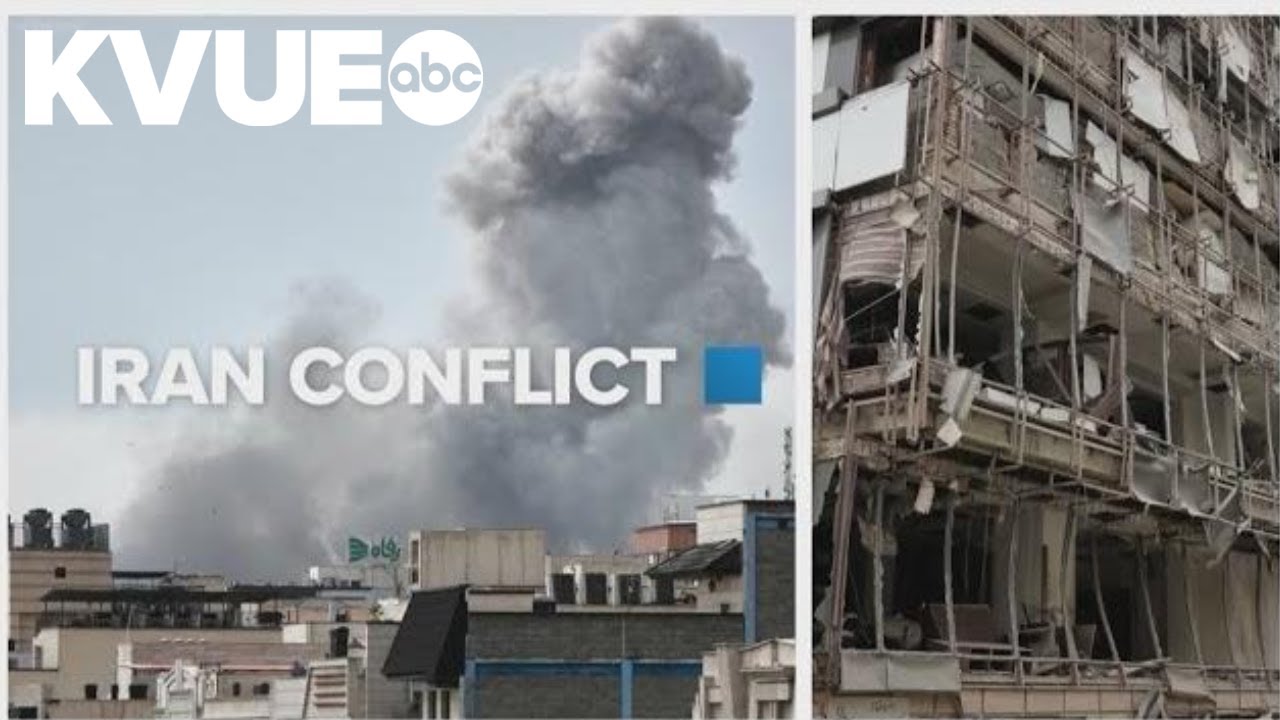
President **Donald Trump** informed Congress on **Friday, May 1, 2026**, that the conflict with **Iran** has been "terminated." This declaration arrived just as a congressionally mandated deadline for him to seek authorization for continued military action was set to expire. The move is seen by some as an attempt to circumvent the [[War Powers Resolution|War Powers Resolution]] and avoid a vote on potential military engagement, while others view it as a political maneuver to assert executive authority. The exact nature and scope of the "termination" remain subjects of intense debate, particularly given ongoing tensions and potential proxy activities in the region. This declaration follows a period of heightened friction between the Trump administration and lawmakers, many of whom have been critical of the president's unilateral foreign policy decisions. The notification aims to officially end the legal basis for ongoing U.S. military operations against Iran, thereby avoiding the need for further congressional approval under the [[War Powers Resolution|War Powers Resolution of 1973]]. However, the practical implications for U.S. troop presence and engagement in the Middle East are far from clear, leaving many to question the true impact of this pronouncement.
Key Takeaways
- President Trump declared the Iran war 'terminated' to Congress on May 1, 2026.
- The declaration coincided with a legal deadline for seeking authorization for continued military action.
- The move is seen as an attempt to bypass the [[War Powers Resolution|War Powers Resolution]].
- The exact meaning and implications of 'terminated' remain unclear.
- This action reignites debate over executive vs. legislative war powers.
Balanced Perspective
President **Trump**'s notification to Congress is a formal declaration that the legal basis for military action against **Iran** has ceased. This action directly addresses the [[War Powers Resolution|War Powers Resolution]]'s requirement for presidential notification and congressional authorization for sustained military engagement. The precise definition of "terminated" in this context, and whether it reflects a complete cessation of hostilities or a shift in operational posture, remains to be seen and will likely be clarified through subsequent actions and statements.
Optimistic View
This declaration signals a de-escalation and a commitment to ending costly foreign entanglements. By officially terminating the conflict, President **Trump** is demonstrating a pragmatic approach to foreign policy, prioritizing diplomacy and avoiding further military expenditure. This move could pave the way for a more stable geopolitical environment and allow resources to be redirected towards domestic priorities, fostering a more peaceful and prosperous future for all involved.
Critical View
This declaration is a blatant attempt to circumvent congressional oversight and the [[War Powers Resolution|War Powers Resolution]], effectively allowing the executive branch to continue military operations without accountability. By unilaterally declaring the war "terminated" just before a legal deadline, **Trump** is undermining democratic checks and balances. This move could embolden adversaries and create dangerous ambiguity regarding U.S. intentions, potentially leading to unintended escalation or prolonged, undeclared conflicts.
Source
Originally reported by Politico