Iran's Hormuz Gambit: A Deal for Blockade Lift and War's End?
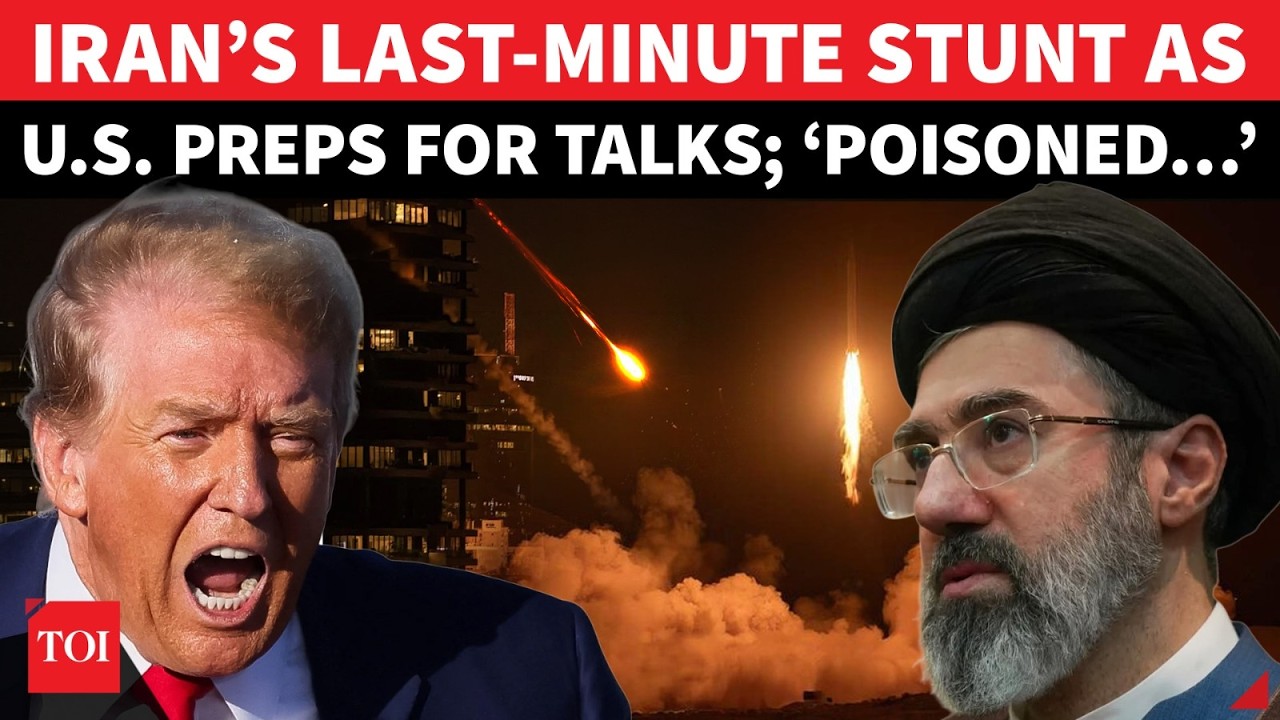
Amidst ongoing global conflicts, **Iran** has reportedly offered to reopen the **Strait of Hormuz**, a critical global oil chokepoint, in exchange for the **Uni
Summary
Amidst ongoing global conflicts, **Iran** has reportedly offered to reopen the **Strait of Hormuz**, a critical global oil chokepoint, in exchange for the **United States** lifting its "blockade" and the cessation of "the war." This proposal, conveyed through **Pakistan**, faces significant hurdles, particularly with the **Trump administration** reportedly unlikely to accept. The offer highlights Iran's leverage in controlling vital shipping lanes and its willingness to negotiate under pressure, while simultaneously underscoring the deep geopolitical tensions and unresolved conflicts that define the region. The potential implications for global energy markets and regional stability are immense, contingent on whether this offer represents a genuine diplomatic opening or a strategic maneuver in a complex geopolitical game. This development is closely watched by international powers and energy traders alike, as the Strait of Hormuz handles approximately 30% of the world's seaborne oil trade.
Key Takeaways
- Iran has proposed reopening the Strait of Hormuz under specific conditions.
- The conditions include the U.S. lifting its "blockade" and ending "the war."
- Pakistan served as the intermediary for this offer.
- The U.S. administration under President Trump is reportedly unlikely to accept.
- The Strait of Hormuz is a critical global oil transit route.
Balanced Perspective
The reported offer from **Iran** is a complex geopolitical proposition. The conditions—lifting of U.S. "blockade" and ending "the war"—are broad and require significant concessions from the **United States**. The specific "war" being referenced is not explicitly defined, adding a layer of ambiguity. The U.S. response, as indicated by reports of unlikelihood to accept, suggests a significant gap in demands. The role of **Pakistan** as a go-between is notable, reflecting its historical diplomatic ties with both nations. The actual impact hinges on the precise nature of the "blockade" and "war," and whether any party is willing to bridge the substantial gap in demands.
Optimistic View
This offer could signal a potential de-escalation in regional tensions, opening a door for diplomatic engagement. If accepted, reopening the **Strait of Hormuz** would stabilize global oil prices and ease supply chain concerns, benefiting economies worldwide. It could also pave the way for broader peace talks, addressing the underlying conflicts that have destabilized the region for decades. The involvement of **Pakistan** as an intermediary suggests a willingness to explore unconventional diplomatic channels, potentially leading to a more peaceful and prosperous future for the Middle East.
Critical View
This offer is likely a strategic ploy by **Iran** to gain leverage amidst international pressure, rather than a genuine diplomatic overture. The conditions are designed to be unacceptable to the **United States**, particularly the demand to lift a "blockade" that may not be universally recognized or defined. The vagueness surrounding "the war" suggests an attempt to broaden the scope of negotiations beyond immediate bilateral issues. The potential for this to be a tactic to sow discord or distract from other geopolitical issues is high, with little guarantee of actual de-escalation or the reopening of the **Strait of Hormuz**. The reliance on **Pakistan** as an intermediary could also be a way to circumvent direct engagement with adversaries.
Source
Originally reported by PBS