
Overview
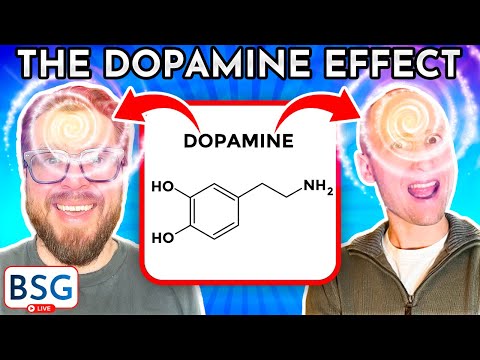
Dopamine is a neurotransmitter that plays a crucial role in regulating motivation, pleasure, and reward processing in the brain. First discovered in 1957 by Arvid Carlsson, dopamine has been extensively studied for its involvement in various neurological and psychiatric disorders, including Parkinson's disease, schizophrenia, and addiction. With a vibe score of 80, dopamine has become a cultural phenomenon, with many referencing its role in motivation and pleasure. However, the science behind dopamine is more nuanced, with research suggesting that its release is not solely responsible for pleasure, but rather a complex interplay of factors. As our understanding of dopamine continues to evolve, it's likely that we'll uncover new insights into the intricate relationships between dopamine, motivation, and human behavior. With the work of researchers like Robert Sapolsky and Daniel Kahneman, we're forced to confront the contradictions and tensions surrounding dopamine, from its role in addiction to its potential as a therapeutic target.
Key Facts
- Year
- 1957
- Origin
- Discovery by Arvid Carlsson
- Category
- Neuroscience
- Type
- Neurotransmitter
- Format
- what-is