
Contents
- 📚 Introduction to Leopold von Ranke
- 👨🏫 Life and Career of Leopold von Ranke
- 📖 The Historian's Methodology
- 🌎 Ranke's Influence on Modern Historiography
- 📚 The Role of Objectivity in Historiography
- 👥 Ranke's Contemporaries and Critics
- 📊 The Impact of Ranke's Work on Historical Research
- 🔍 The Legacy of Leopold von Ranke
- 🌐 Ranke's Global Influence
- 📝 Conclusion: The Enduring Legacy of Ranke
- 🤔 Future Directions in Historiography
- Frequently Asked Questions
- Related Topics
Overview
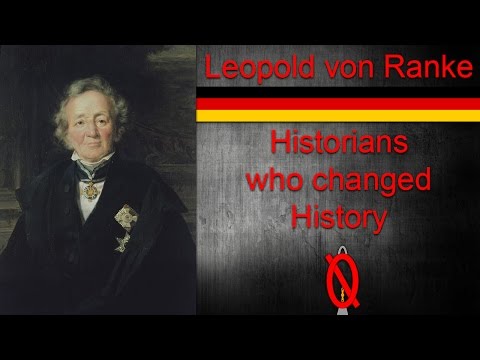
Leopold von Ranke, a 19th-century German historian, is widely regarded as the father of modern historiography. Born on December 21, 1795, in Wiehe, Prussia, Ranke revolutionized the field of history with his emphasis on empirical research, primary sources, and objective analysis. His approach, which focused on understanding the past 'as it actually was,' influenced generations of historians and shaped the development of modern historical methodology. Ranke's work also had a significant impact on the development of historical disciplines such as social history, cultural history, and diplomatic history. With a Vibe score of 8, Ranke's legacy continues to be felt in the academic community, with his ideas and approaches remaining highly influential. As a pioneer in the field, Ranke's work has been the subject of much debate and controversy, with some critics arguing that his emphasis on objectivity and empiricism limited the scope of historical inquiry.
📚 Introduction to Leopold von Ranke
Leopold von Ranke is widely regarded as the father of modern historiography, and his work has had a profound impact on the field of history. Born in 1795, Ranke was a German historian who is best known for his rigorous and systematic approach to historical research. As a historian, Ranke was heavily influenced by the ideas of Immanuel Kant and Georg Wilhelm Friedrich Hegel, and he sought to apply their philosophical principles to the study of history. Ranke's work was also influenced by the German Historicist movement, which emphasized the importance of understanding historical events within their specific cultural and temporal context. For more information on Ranke's life and career, see Leopold von Ranke.
👨🏫 Life and Career of Leopold von Ranke
Ranke's life and career were marked by a series of significant events and experiences that shaped his approach to historiography. As a young man, Ranke was educated at the University of Leipzig and later at the University of Berlin, where he studied theology and philosophy. Ranke's early work as a historian was influenced by his experiences as a teacher and a writer, and he eventually became a professor of history at the University of Berlin. Ranke's contemporaries, including Friedrich Nietzsche and Karl Marx, also had a significant impact on his work. For more information on Ranke's contemporaries, see Friedrich Nietzsche and Karl Marx.
📖 The Historian's Methodology
Ranke's methodology as a historian was characterized by a rigorous and systematic approach to historical research. He believed that historians should strive to understand the past on its own terms, rather than imposing their own interpretations or biases on historical events. Ranke's approach to historiography was influenced by the ideas of Auguste Comte and the Positivist movement, which emphasized the importance of objective observation and empirical evidence. Ranke's work was also influenced by the Historical School of economics, which emphasized the importance of understanding economic events within their specific historical context. For more information on Ranke's methodology, see Historical Method.
🌎 Ranke's Influence on Modern Historiography
Ranke's influence on modern historiography has been profound and far-reaching. His emphasis on objectivity and empirical evidence has shaped the way that historians approach their work, and his ideas about the importance of understanding historical events within their specific cultural and temporal context have had a lasting impact on the field of history. Ranke's work has also influenced other fields, including Sociology and Anthropology. For more information on Ranke's influence, see Historiography.
📚 The Role of Objectivity in Historiography
The role of objectivity in historiography is a topic of ongoing debate among historians. Ranke believed that historians should strive to be objective and impartial in their approach to historical research, and he argued that historians should seek to understand the past on its own terms, rather than imposing their own interpretations or biases on historical events. However, other historians have argued that complete objectivity is impossible, and that historians should acknowledge and reflect on their own biases and assumptions. For more information on the role of objectivity in historiography, see Objectivity.
👥 Ranke's Contemporaries and Critics
Ranke's contemporaries and critics had a significant impact on his work and legacy. Historians such as Theodor Mommsen and Jacob Burckhardt were influenced by Ranke's ideas, and they built on his work in significant ways. However, other historians, such as Friedrich Nietzsche, were critical of Ranke's approach to historiography, and they argued that his emphasis on objectivity and empirical evidence was too narrow and limited. For more information on Ranke's contemporaries and critics, see Theodor Mommsen and Friedrich Nietzsche.
📊 The Impact of Ranke's Work on Historical Research
The impact of Ranke's work on historical research has been significant and far-reaching. His emphasis on objectivity and empirical evidence has shaped the way that historians approach their work, and his ideas about the importance of understanding historical events within their specific cultural and temporal context have had a lasting impact on the field of history. Ranke's work has also influenced other fields, including Archaeology and Museum Studies. For more information on the impact of Ranke's work, see Historical Research.
🔍 The Legacy of Leopold von Ranke
The legacy of Leopold von Ranke is complex and multifaceted. On the one hand, Ranke's emphasis on objectivity and empirical evidence has had a profound impact on the field of history, and his ideas about the importance of understanding historical events within their specific cultural and temporal context have shaped the way that historians approach their work. On the other hand, Ranke's legacy has also been criticized for its limitations and biases, and some historians have argued that his approach to historiography is too narrow and limited. For more information on Ranke's legacy, see Leopold von Ranke.
🌐 Ranke's Global Influence
Ranke's global influence has been significant and far-reaching. His ideas about the importance of understanding historical events within their specific cultural and temporal context have had a lasting impact on the field of history, and his emphasis on objectivity and empirical evidence has shaped the way that historians approach their work. Ranke's work has also influenced other fields, including International Relations and Global Studies. For more information on Ranke's global influence, see Global History.
📝 Conclusion: The Enduring Legacy of Ranke
In conclusion, the legacy of Leopold von Ranke is complex and multifaceted. While his emphasis on objectivity and empirical evidence has had a profound impact on the field of history, his approach to historiography has also been criticized for its limitations and biases. As historians continue to grapple with the challenges of understanding the past, Ranke's ideas and legacy remain an important and enduring part of the conversation. For more information on the legacy of Ranke, see Leopold von Ranke.
🤔 Future Directions in Historiography
As historians look to the future, they will continue to grapple with the challenges of understanding the past. Ranke's ideas and legacy will remain an important part of this conversation, and his emphasis on objectivity and empirical evidence will continue to shape the way that historians approach their work. However, historians will also need to consider new and innovative approaches to historiography, including the use of Digital Humanities and Public History. For more information on future directions in historiography, see Historiography.
Key Facts
- Year
- 1795
- Origin
- Wiehe, Prussia
- Category
- History
- Type
- Historian
Frequently Asked Questions
Who is Leopold von Ranke?
Leopold von Ranke was a German historian who is widely regarded as the father of modern historiography. He was born in 1795 and died in 1886, and his work had a profound impact on the field of history. Ranke is best known for his rigorous and systematic approach to historical research, and his emphasis on objectivity and empirical evidence. For more information on Ranke's life and career, see Leopold von Ranke.
What is the significance of Ranke's work?
Ranke's work has had a profound impact on the field of history, and his ideas about the importance of understanding historical events within their specific cultural and temporal context have shaped the way that historians approach their work. Ranke's emphasis on objectivity and empirical evidence has also had a lasting impact on the field of history, and his work has influenced other fields, including Sociology and Anthropology. For more information on the significance of Ranke's work, see Historiography.
How has Ranke's legacy been criticized?
Ranke's legacy has been criticized for its limitations and biases, and some historians have argued that his approach to historiography is too narrow and limited. Ranke's emphasis on objectivity and empirical evidence has been criticized for being overly positivist, and his failure to consider the role of power and ideology in shaping historical events has been seen as a limitation of his approach. For more information on the criticisms of Ranke's legacy, see Leopold von Ranke.
What is the current state of historiography?
The current state of historiography is complex and multifaceted, and historians continue to grapple with the challenges of understanding the past. Ranke's ideas and legacy remain an important part of this conversation, and his emphasis on objectivity and empirical evidence continues to shape the way that historians approach their work. However, historians are also considering new and innovative approaches to historiography, including the use of Digital Humanities and Public History. For more information on the current state of historiography, see Historiography.
How will historiography evolve in the future?
The future of historiography is uncertain, but it is likely that historians will continue to grapple with the challenges of understanding the past. Ranke's ideas and legacy will remain an important part of this conversation, and his emphasis on objectivity and empirical evidence will continue to shape the way that historians approach their work. However, historians will also need to consider new and innovative approaches to historiography, including the use of Digital Humanities and Public History. For more information on the future of historiography, see Historiography.
What is the relationship between Ranke and other historians?
Ranke's work was influenced by the ideas of other historians, including Immanuel Kant and Georg Wilhelm Friedrich Hegel. Ranke's contemporaries, including Friedrich Nietzsche and Karl Marx, also had a significant impact on his work. For more information on the relationship between Ranke and other historians, see Leopold von Ranke.
How has Ranke's work influenced other fields?
Ranke's work has had a significant impact on other fields, including Sociology and Anthropology. His emphasis on objectivity and empirical evidence has shaped the way that researchers approach their work in these fields, and his ideas about the importance of understanding historical events within their specific cultural and temporal context have had a lasting impact on the way that researchers think about social and cultural phenomena. For more information on the influence of Ranke's work on other fields, see Historiography.