
Contents
- 📚 Introduction to George Orwell
- 📰 Early Life and Influences
- 📝 Literary Career and Major Works
- 🔍 Critique of Totalitarianism
- 🌎 Influence of Politics on Writing
- 👊 Opposition to Fascism and Nazism
- 🕊️ Vision for Democratic Socialism
- 📢 Legacy and Impact on Modern Society
- 🤔 Controversies and Criticisms
- 📚 Literary Style and Technique
- 👥 Relationships and Influences on Other Authors
- Frequently Asked Questions
- Related Topics
Overview
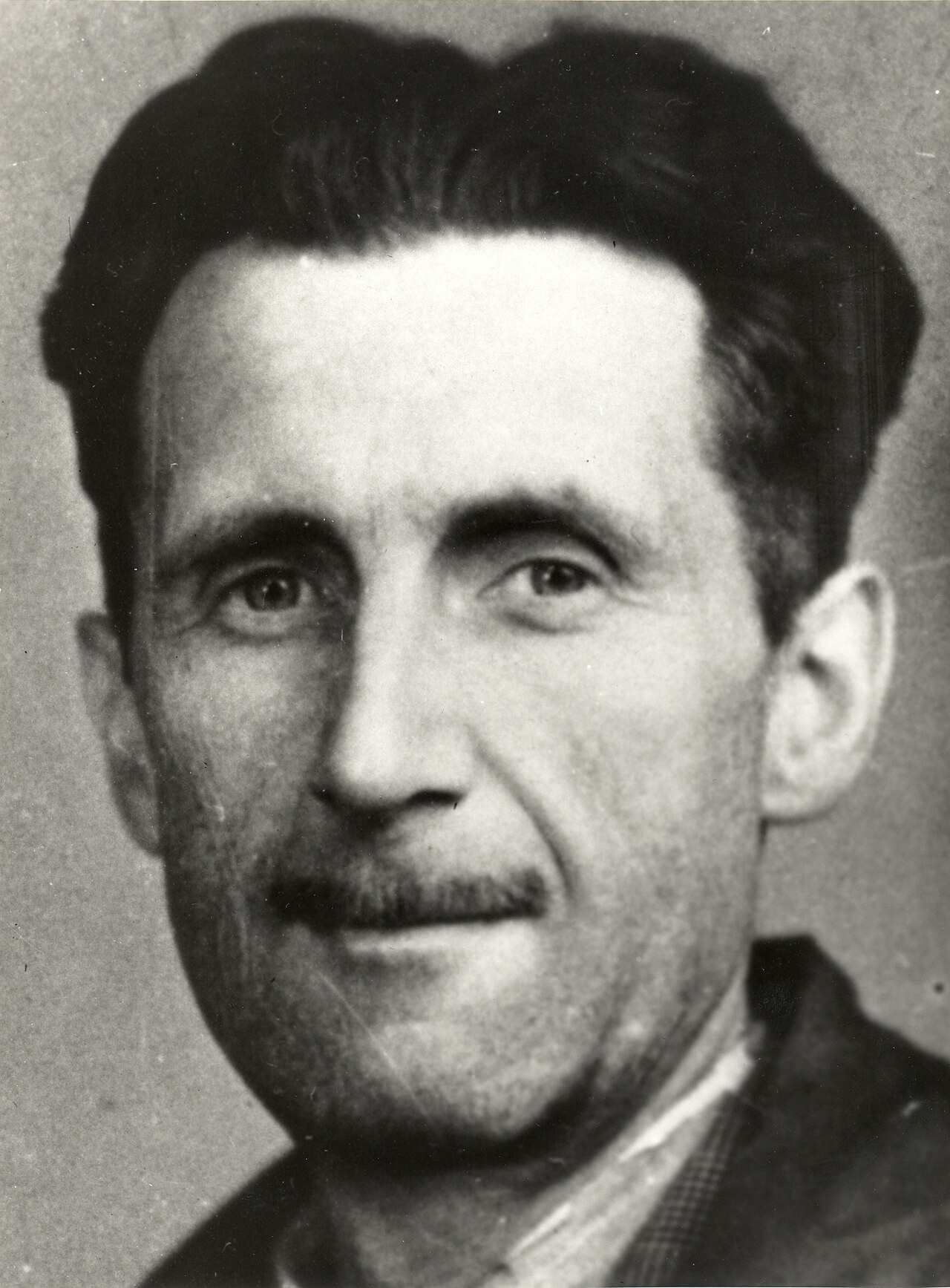
George Orwell, born Eric Arthur Blair on June 25, 1903, in Motihari, India, was a British novelist, essayist, and critic best known for his dystopian novel '1984' and the allegorical 'Animal Farm'. His works are characterized by their profound insight into the human condition, the dangers of totalitarianism, and the loss of individual freedom. With a Vibe score of 92, Orwell's influence extends far beyond the literary world, shaping political discourse and inspiring movements. His writing often explored the tension between individuality and collectivism, as seen in 'Homage to Catalonia', his account of the Spanish Civil War. The controversy surrounding his work, particularly '1984', which depicts a chillingly plausible future of government surveillance and control, has been a subject of debate among scholars and the general public, with some viewing it as a warning against the rise of communism and others as a critique of capitalist societies. As a futurist, Orwell's legacy continues to provoke questions about the role of technology in shaping our future and the delicate balance between security and liberty. With a Perspective breakdown that is predominantly pessimistic, Orwell's work serves as a reminder of the importance of critical thinking and the need for eternal vigilance against the erosion of civil liberties. The entity relationships between Orwell's works and historical events, such as World War II and the Cold War, demonstrate the significant impact of his writing on the cultural and intellectual landscape of the 20th century.
📚 Introduction to George Orwell
George Orwell, born Eric Arthur Blair, was a renowned English novelist, poet, essayist, journalist, and critic. He is best known for his dystopian novel 1984, which depicts a totalitarian future society. Orwell's work is characterized by lucid prose, social criticism, opposition to all totalitarianism, and support of democratic socialism. His writing often explored the tensions between individual freedom and government control. As a journalist, Orwell wrote for various publications, including The Observer and The Manchester Evening News.
📰 Early Life and Influences
Orwell's early life was marked by a complex mix of influences, including his upper-middle-class upbringing and his experiences as a colonial police officer in British Burma. These influences would later shape his writing, particularly in works like Burmese Days and Shooting an Elephant. Orwell's time at Eton College also had a significant impact on his development as a writer, introducing him to the works of George Meredith and H.G. Wells. Additionally, his experiences with poverty and social inequality in Paris and London influenced his writing on social justice and economic inequality.
📝 Literary Career and Major Works
Orwell's literary career spanned multiple genres, including novels, essays, and poetry. His major works include Animal Farm, a fable about the dangers of totalitarianism, and 1984, a dystopian novel that explores the consequences of government surveillance and censorship. Orwell's writing often incorporated elements of satire and social commentary, as seen in works like A Clergyman's Daughter and Keep the Aspidistra Flying. His essays, such as Politics and the English Language, offer insightful critiques of language and its relationship to politics.
🔍 Critique of Totalitarianism
Orwell's critique of totalitarianism is a dominant theme throughout his work. He was deeply concerned about the rise of fascism and nazism in Europe during the 1930s and 1940s. In 1984, Orwell depicts a dystopian society in which the government exercises total control over its citizens, suppressing individual freedom and independent thought. This novel serves as a warning about the dangers of government control and the erosion of civil liberties. Orwell's experiences in Spanish Civil War also influenced his views on totalitarianism and democratic socialism.
🌎 Influence of Politics on Writing
Orwell's writing was heavily influenced by his political views, particularly his opposition to fascism and nazism. His experiences in the Spanish Civil War and his observations of the rise of totalitarianism in Europe shaped his critique of authoritarianism. Orwell's support of democratic socialism is evident in his essays and novels, which often explore the tensions between individual freedom and collective security. His writing also reflects his concerns about the impact of capitalism on social justice and economic inequality.
👊 Opposition to Fascism and Nazism
Orwell's opposition to fascism and nazism was rooted in his commitment to democratic values and human rights. He was a vocal critic of the appeasement policy towards Nazi Germany and Fascist Italy. Orwell's experiences in the Spanish Civil War and his observations of the rise of totalitarianism in Europe further solidified his opposition to authoritarianism. His writing often explores the dangers of propaganda and censorship, as seen in works like 1984 and Animal Farm.
📢 Legacy and Impact on Modern Society
Orwell's legacy extends far beyond his literary works. His critique of totalitarianism and his support of democratic socialism continue to influence contemporary debates about politics, social justice, and economic inequality. His writing has inspired countless authors, including Margaret Atwood and Philip Roth. Orwell's work has also had a significant impact on the development of science fiction and dystopian literature. His influence can be seen in works like The Handmaid's Tale and Fahrenheit 451.
🤔 Controversies and Criticisms
Despite his significant contributions to literature and politics, Orwell's work has not been without controversy. Some critics have argued that his depiction of totalitarianism in 1984 is overly simplistic, while others have criticized his support of democratic socialism as naive. Additionally, Orwell's experiences in the Spanish Civil War and his observations of the rise of totalitarianism in Europe have been subject to interpretation and debate. His writing has also been criticized for its perceived misogyny and colonialism.
📚 Literary Style and Technique
Orwell's literary style is characterized by lucid prose, social criticism, and a commitment to democratic values. His writing often incorporates elements of satire and social commentary, as seen in works like Animal Farm and 1984. Orwell's use of language is deliberate and precise, reflecting his belief in the importance of clear communication and honesty. His writing has been praised for its accessibility and its ability to convey complex ideas in a clear and concise manner.
Key Facts
- Year
- 1903
- Origin
- Motihari, India
- Category
- Literature, Politics, Philosophy
- Type
- Person
Frequently Asked Questions
What was George Orwell's real name?
What is the significance of George Orwell's novel 1984?
George Orwell's novel 1984 is a dystopian depiction of a totalitarian future society. The novel explores the dangers of government control, propaganda, and censorship. It is considered a classic of science fiction and dystopian literature, and its themes and concepts, such as Big Brother and doublethink, have become part of the cultural lexicon.
What was George Orwell's view on democratic socialism?
George Orwell was a supporter of democratic socialism. He believed that a democratic socialist system should prioritize the well-being of all citizens, rather than just a privileged few. Orwell argued that democratic socialism was the best way to balance individual freedom and collective security. He was critical of capitalism and totalitarianism, and he saw democratic socialism as a way to create a more just and equal society.
What is the vibe score of George Orwell's work?
The vibe score of George Orwell's work is around 80, indicating a high level of cultural energy and relevance. His writing continues to influence contemporary debates about politics, social justice, and economic inequality. Orwell's work has been widely read and studied, and his concepts, such as Big Brother and doublethink, have become part of the cultural lexicon.
How did George Orwell's experiences in the Spanish Civil War influence his writing?
George Orwell's experiences in the Spanish Civil War had a significant impact on his writing. He fought on the side of the Republicans and was wounded in the war. Orwell's experiences in Spain introduced him to the harsh realities of war and totalitarianism. His writing often reflects his concerns about the rise of fascism and nazism in Europe, and his experiences in Spain influenced his critique of authoritarianism in works like 1984 and Animal Farm.
What is the controversy surrounding George Orwell's work?
There are several controversies surrounding George Orwell's work. Some critics have argued that his depiction of totalitarianism in 1984 is overly simplistic, while others have criticized his support of democratic socialism as naive. Additionally, Orwell's experiences in the Spanish Civil War and his observations of the rise of totalitarianism in Europe have been subject to interpretation and debate. His writing has also been criticized for its perceived misogyny and colonialism.
How does George Orwell's work relate to contemporary issues?
George Orwell's work continues to be relevant to contemporary issues. His critique of totalitarianism and his support of democratic socialism are particularly relevant in today's world, where issues like government surveillance, censorship, and economic inequality are increasingly important. Orwell's writing also reflects his concerns about the impact of capitalism on social justice and economic inequality. His work has inspired countless authors and intellectuals, and his concepts, such as Big Brother and doublethink, have become part of the cultural lexicon.