
Contents
- 🌆 Introduction to New York City
- 🗺️ Geography and Climate
- 🏙️ The Five Boroughs
- 📈 Economy and Finance
- 🎨 Culture and Entertainment
- 📚 Academics and Scientific Output
- 👗 Fashion and Arts
- 🌎 International Diplomacy
- 🚂 Transportation and Infrastructure
- 🤝 Urban Planning and Development
- 📊 Demographics and Statistics
- 👀 Conclusion and Future Outlook
- Frequently Asked Questions
- Related Topics
Overview
New York City, with a vibe score of 92, is a global hub for finance, entertainment, media, and art. Founded in 1624 by the Dutch as New Amsterdam, NYC has evolved into a city of over 8.4 million people, with 800 languages spoken and a GDP of over $1.7 trillion. The city is home to iconic landmarks like the Statue of Liberty, Central Park, and Times Square, and is a hotbed for innovation, with over 100,000 startups and a thriving tech industry. However, NYC also faces challenges such as gentrification, income inequality, and a strained public transportation system. As the city continues to grow and evolve, it remains a magnet for people from all over the world, with a unique energy and diversity that is hard to find anywhere else. With a controversy spectrum of 6, NYC is a city that is always changing, always adapting, and always pushing the boundaries of what is possible.
🌆 Introduction to New York City
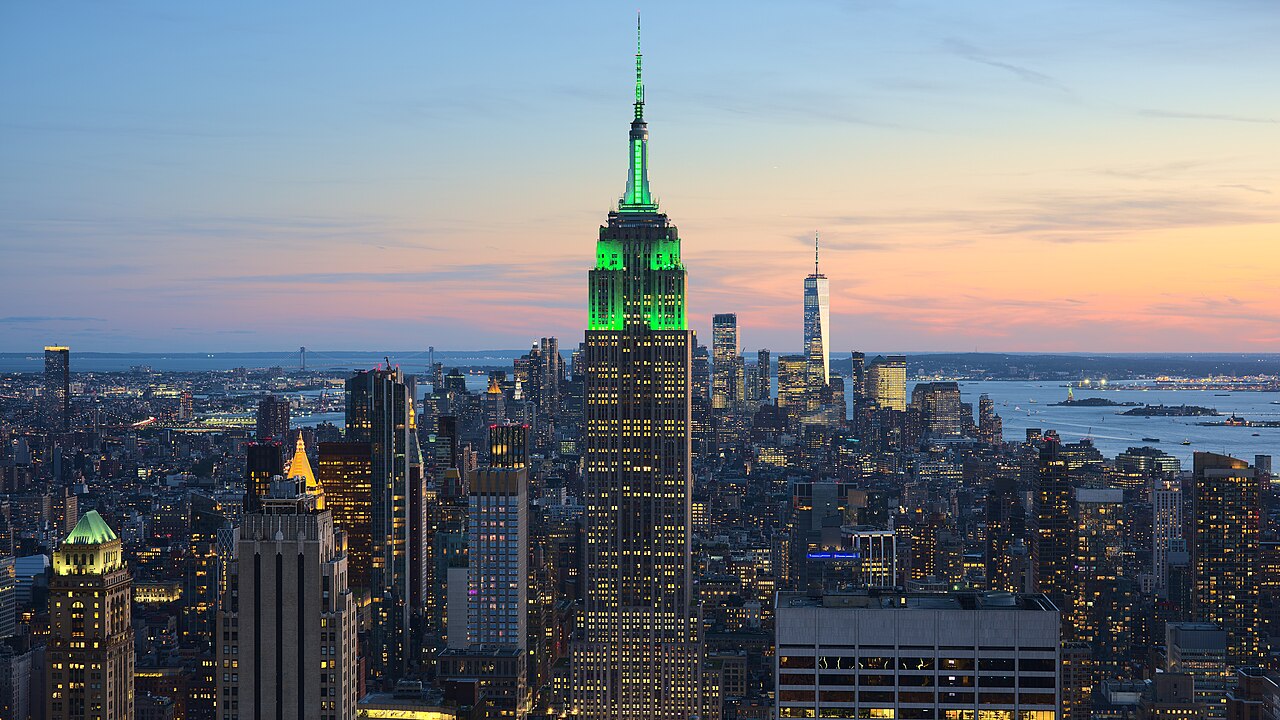
New York City, often called the city that never sleeps, is a global hub of activity and a melting pot of cultures. With a population of over 8.4 million people, it is the most populous city in the United States. The city is located at the southern tip of New York State on New York Harbor, one of the world's largest natural harbors. As a global center of finance and commerce, New York City is home to the New York Stock Exchange and the Federal Reserve. The city's diverse culture is reflected in its many neighborhoods, such as Chinatown and Little Italy.
🗺️ Geography and Climate
The geography and climate of New York City are unique and have played a significant role in its development. The city is situated on the Atlantic Coast, with the Hudson River to the west and the East River to the east. The city's climate is humid subtropical, with cold winters and hot summers. The city's geography has also made it prone to natural disasters, such as Hurricane Sandy, which devastated the city in 2012. The city's response to these disasters has been led by organizations such as the Federal Emergency Management Agency.
🏙️ The Five Boroughs
New York City is composed of five boroughs, each with its own unique character and culture. The boroughs are Manhattan, Brooklyn, Queens, The Bronx, and Staten Island. Each borough has its own government and is coextensive with its respective county. The boroughs are connected by a network of bridges and tunnels, including the Brooklyn Bridge and the George Washington Bridge. The city's boroughs are also home to many cultural institutions, such as the Metropolitan Museum of Art and the American Museum of Natural History.
📈 Economy and Finance
New York City is a global center of finance and commerce, with many major corporations and financial institutions headquartered there. The city is home to the New York Stock Exchange and the NASDAQ, as well as many investment banks and financial firms. The city's economy is also driven by its thriving technology sector, with many startups and tech companies based in the city. The city's economy has been supported by organizations such as the New York City Economic Development Corporation. The city is also a hub for entrepreneurship, with many resources available for startups, including the New York City Startup Investors.
🎨 Culture and Entertainment
New York City is a global center of culture and entertainment, with many world-class museums, theaters, and music venues. The city is home to many iconic landmarks, such as Times Square and Central Park. The city's cultural institutions, such as the Metropolitan Museum of Art and the Guggenheim Museum, are among the most visited in the world. The city is also a hub for the performing arts, with many theaters and music venues, including Carnegie Hall and Radio City Music Hall. The city's cultural scene is also supported by organizations such as the New York City Department of Cultural Affairs.
📚 Academics and Scientific Output
New York City is a global center of academics and scientific output, with many world-class universities and research institutions. The city is home to many top-ranked universities, including Columbia University and New York University. The city's universities and research institutions are among the most prestigious in the world, and have produced many Nobel laureates and other notable figures. The city's academic institutions have also been at the forefront of many scientific breakthroughs, including the development of the polio vaccine and the discovery of the structure of DNA. The city's academic community is also supported by organizations such as the New York Academy of Sciences.
👗 Fashion and Arts
New York City is a global center of fashion and arts, with many world-class designers and artists based in the city. The city is home to many iconic fashion brands, including Calvin Klein and Ralph Lauren. The city's fashion industry is also supported by many fashion schools and institutions, including the Fashion Institute of Technology. The city's arts scene is also thriving, with many galleries and museums, including the Museum of Modern Art and the Whitney Museum of American Art. The city's fashion and arts communities are also supported by organizations such as the Council of Fashion Designers of America.
🌎 International Diplomacy
New York City is a global center of international diplomacy, with the United Nations headquartered there. The city is home to many diplomatic missions and international organizations, including the United Nations General Assembly and the United Nations Security Council. The city's diplomatic community is also supported by many organizations, including the United Nations Association. The city's international influence is also reflected in its many international cultural institutions, including the Asia Society and the Institute of International Education.
🚂 Transportation and Infrastructure
New York City has a comprehensive transportation system, with many options for getting around the city. The city is served by three major airports, including John F. Kennedy International Airport and LaGuardia Airport. The city is also home to a extensive network of subway lines, buses, and trains, including the New York City Subway and the Long Island Rail Road. The city's transportation system is managed by the Metropolitan Transportation Authority. The city's transportation infrastructure is also supported by organizations such as the New York City Department of Transportation.
🤝 Urban Planning and Development
New York City's urban planning and development have been shaped by its unique geography and history. The city's grid system, which was established in the 19th century, has had a lasting impact on the city's development. The city's urban planning has also been influenced by many notable figures, including Robert Moses and Jane Jacobs. The city's development has been supported by many organizations, including the New York City Planning Commission. The city's urban planning has also been influenced by many international models, including the Paris and London models.
📊 Demographics and Statistics
New York City is a diverse and vibrant city, with a population of over 8.4 million people. The city's demographics are characterized by a high level of diversity, with people from many different ethnic and cultural backgrounds. The city's population is also highly educated, with many residents holding advanced degrees. The city's demographics have been shaped by many factors, including immigration and migration patterns. The city's demographic trends are also influenced by many organizations, including the New York City Department of Health and Mental Hygiene.
👀 Conclusion and Future Outlook
In conclusion, New York City is a unique and vibrant city that offers many opportunities for residents and visitors alike. The city's diverse culture, world-class institutions, and comprehensive transportation system make it an attractive place to live and work. However, the city also faces many challenges, including high costs of living and a competitive job market. As the city continues to evolve and grow, it will be important to address these challenges and ensure that the city remains a vibrant and inclusive place for all. The city's future is also influenced by many international trends, including globalization and urbanization.
Key Facts
- Year
- 1624
- Origin
- Dutch Colony
- Category
- Geography, Culture, Urban Planning
- Type
- City
Frequently Asked Questions
What is the population of New York City?
The population of New York City is over 8.4 million people. The city is the most populous city in the United States and is a global hub of activity and culture. The city's population is diverse, with people from many different ethnic and cultural backgrounds. The city's demographics have been shaped by many factors, including immigration and migration patterns. For more information, see the New York City Demographics page.
What are the five boroughs of New York City?
The five boroughs of New York City are Manhattan, Brooklyn, Queens, The Bronx, and Staten Island. Each borough has its own unique character and culture, and is coextensive with its respective county. The boroughs are connected by a network of bridges and tunnels, including the Brooklyn Bridge and the George Washington Bridge. For more information, see the New York City Boroughs page.
What is the economy of New York City like?
The economy of New York City is diverse and thriving, with many major corporations and financial institutions headquartered there. The city is a global center of finance and commerce, and is home to the New York Stock Exchange and the NASDAQ. The city's economy is also driven by its thriving technology sector, with many startups and tech companies based in the city. For more information, see the New York City Economy page.
What are some of the cultural attractions in New York City?
New York City is a global center of culture and entertainment, with many world-class museums, theaters, and music venues. Some of the city's most famous cultural attractions include the Metropolitan Museum of Art, the Guggenheim Museum, and Carnegie Hall. The city is also home to many iconic landmarks, such as Times Square and Central Park. For more information, see the New York City Culture page.
How does New York City's transportation system work?
New York City has a comprehensive transportation system, with many options for getting around the city. The city is served by three major airports, including John F. Kennedy International Airport and LaGuardia Airport. The city is also home to a extensive network of subway lines, buses, and trains, including the New York City Subway and the Long Island Rail Road. The city's transportation system is managed by the Metropolitan Transportation Authority. For more information, see the New York City Transportation page.
What are some of the challenges facing New York City?
New York City faces many challenges, including high costs of living and a competitive job market. The city is also prone to natural disasters, such as hurricanes and floods. The city's infrastructure is also aging, and there are concerns about the city's ability to meet the needs of its growing population. Despite these challenges, the city remains a vibrant and attractive place to live and work. For more information, see the New York City Challenges page.
How is New York City's urban planning and development managed?
New York City's urban planning and development are managed by the New York City Planning Commission. The commission is responsible for developing and implementing the city's comprehensive plan, which guides the city's growth and development. The commission also works with other city agencies and stakeholders to ensure that the city's development is sustainable and equitable. For more information, see the New York City Planning Commission page.