
Contents
- 📚 Introduction to Jean-Jacques Rousseau
- 👨🎓 Early Life and Influences
- 📖 Major Works and Contributions
- 🌟 The Social Contract and Its Impact
- 🌎 Influence on the French Revolution
- 💡 Key Ideas and Philosophical Thoughts
- 📝 Criticisms and Controversies
- 🌐 Legacy and Modern Relevance
- 👥 Relationship with Other Philosophers
- 📚 Rousseau's Autobiography and Personal Life
- 🌈 Cultural Significance and Romanticism
- Frequently Asked Questions
- Related Topics
Overview
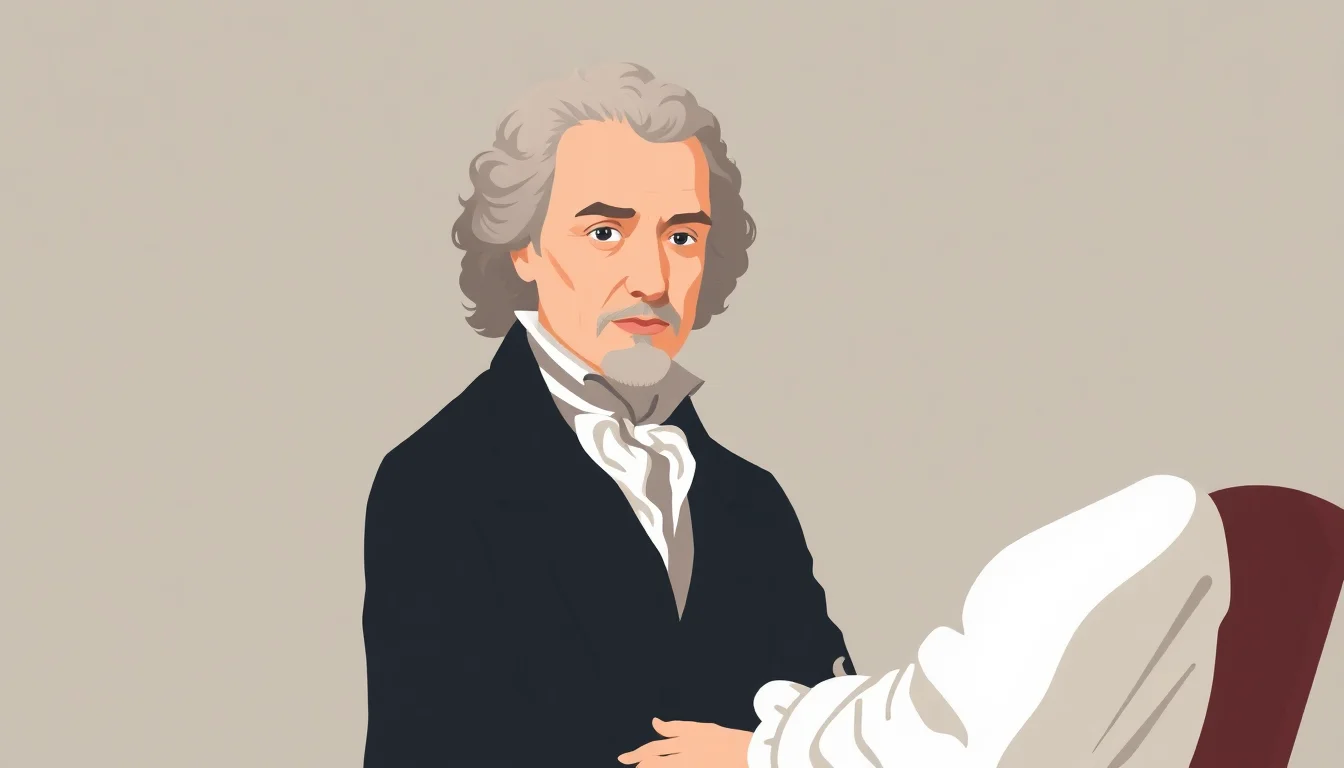
Jean-Jacques Rousseau was a 18th-century philosopher who made significant contributions to the fields of philosophy, politics, and education. Born on June 28, 1712, in Geneva, Switzerland, Rousseau's ideas about the social contract, general will, and the importance of emotions and nature had a profound impact on the Enlightenment and the French Revolution. His influential works, such as 'Discourse on the Origin of Inequality' (1755) and 'The Social Contract' (1762), critiqued the existing social order and advocated for a more equal and just society. With a Vibe score of 82, Rousseau's ideas continue to resonate with people today, inspiring debates about the role of government, the importance of individual freedom, and the relationship between humans and the natural world. As a key figure in the Romantic movement, Rousseau's emphasis on emotions, intuition, and the beauty of nature influenced artists, writers, and thinkers such as Immanuel Kant, Johann Wolfgang von Goethe, and Mary Shelley. Despite controversy surrounding his personal life and ideas, Rousseau remains a pivotal figure in modern philosophy, with his ideas continuing to shape contemporary discussions about politics, education, and the human condition.
📚 Introduction to Jean-Jacques Rousseau
Jean-Jacques Rousseau was a prominent philosopher from the Enlightenment era, known for his influential ideas on social contract theory, human nature, and the role of government. Born on June 28, 1712, in Geneva, Switzerland, Rousseau's life was marked by turmoil and struggle, which significantly shaped his philosophical thoughts. He is often regarded as the father of Romanticism, a cultural and intellectual movement that emphasized emotion, imagination, and individualism. Rousseau's works, such as Discourse on the Arts and Sciences and Emile, continue to be widely read and studied today. His ideas have had a profound impact on modern philosophy, politics, and education, with many notable thinkers, including Immanuel Kant and John Rawls, drawing inspiration from his work.
👨🎓 Early Life and Influences
Rousseau's early life was marked by poverty and instability, with his mother dying shortly after his birth and his father abandoning him. He was raised by his uncle and later sent to live with a pastor, where he developed a strong interest in reading and music. Rousseau's love for literature and philosophy led him to pursue a career as a writer and composer, and he eventually moved to Paris to pursue his dreams. In Paris, he befriended prominent intellectuals, including Denis Diderot and Voltaire, who introduced him to the world of Enlightenment thought. Rousseau's experiences and relationships during this period significantly influenced his philosophical ideas, particularly his emphasis on the importance of human relationships and community, as seen in his work The Social Contract.
📖 Major Works and Contributions
Rousseau's major works include Discourse on the Origin of Inequality, Emile, and Confessions. In Discourse on the Origin of Inequality, Rousseau explores the concept of human nature and the origins of social inequality, arguing that humans are inherently good but are corrupted by society. In Emile, he presents a philosophical novel that outlines his vision for education and child development, emphasizing the importance of natural and experiential learning. Rousseau's Confessions is a deeply personal work, in which he shares his own life experiences and struggles, providing valuable insights into his philosophical thoughts and ideas. These works demonstrate Rousseau's commitment to understanding human nature and promoting social justice, as seen in his influence on the French Revolution.
🌎 Influence on the French Revolution
Rousseau's ideas had a significant impact on the French Revolution, which began in 1789. His emphasis on the principles of liberty, equality, and fraternity resonated with the revolutionaries, who sought to overthrow the monarchy and establish a new social order. Rousseau's Social Contract was seen as a blueprint for the new French government, and his ideas about the role of government and the importance of popular sovereignty influenced the development of the French Constitution. However, Rousseau's relationship with the revolutionaries was complex, and he was criticized by some for his perceived radicalism and lack of practicality. Despite this, his ideas continued to shape the course of the revolution, with many notable figures, including Maximilien Robespierre, drawing inspiration from his work.
💡 Key Ideas and Philosophical Thoughts
Rousseau's key ideas and philosophical thoughts continue to be widely debated and discussed today. He is known for his emphasis on the importance of human relationships, community, and the natural world. Rousseau argued that humans are inherently good but are corrupted by society, and that education and child development should focus on promoting natural and experiential learning. He also believed in the importance of popular sovereignty and the role of government in protecting the rights and freedoms of citizens. Rousseau's ideas have been influential in shaping modern philosophy, politics, and education, with many notable thinkers, including John Dewey and Martin Heidegger, drawing inspiration from his work. However, his ideas have also been criticized by some, including Friedrich Nietzsche, who argued that Rousseau's emphasis on human goodness and the importance of community is naive and unrealistic.
📝 Criticisms and Controversies
Rousseau's ideas and legacy have not been without criticism and controversy. Some have argued that his emphasis on the importance of human relationships and community is overly simplistic and neglects the complexities of human nature. Others have criticized his views on education and child development, arguing that they are too focused on the individual and neglect the importance of social and cultural context. Rousseau's personal life has also been the subject of controversy, with some critics arguing that his treatment of his own children and his relationships with women were inconsistent with his philosophical ideas. Despite these criticisms, Rousseau's ideas continue to be widely read and studied today, and his influence can be seen in many areas of modern philosophy, politics, and education. His work has also been influential in shaping the Romantic movement, with many notable figures, including Lord Byron and Percy Bysshe Shelley, drawing inspiration from his ideas.
🌐 Legacy and Modern Relevance
Rousseau's legacy and modern relevance continue to be felt today. His ideas about the importance of human relationships, community, and the natural world have influenced a wide range of fields, from philosophy and politics to education and environmentalism. Rousseau's emphasis on the importance of popular sovereignty and the role of government in protecting the rights and freedoms of citizens has also had a lasting impact on modern politics. His ideas have been influential in shaping the course of modern history, from the French Revolution to the present day. As we look to the future, Rousseau's ideas about the importance of community, cooperation, and social justice remain as relevant as ever, and his work continues to be a powerful inspiration for those seeking to create a more just and equitable society. His influence can be seen in many modern social and political movements, including the Civil Rights Movement and the Environmental Movement.
👥 Relationship with Other Philosophers
Rousseau's relationships with other philosophers and thinkers were complex and multifaceted. He was heavily influenced by the ideas of Plato and Aristotle, and he engaged in a series of public debates with other prominent thinkers, including Voltaire and Denis Diderot. Rousseau's relationships with these thinkers were often contentious, and he was criticized by some for his perceived radicalism and lack of practicality. Despite this, his ideas continued to shape the course of modern philosophy, and he remains one of the most influential thinkers of the Enlightenment era. Rousseau's influence can be seen in many notable thinkers, including Immanuel Kant and Georg Wilhelm Friedrich Hegel, who drew inspiration from his ideas about human nature and the role of government.
📚 Rousseau's Autobiography and Personal Life
Rousseau's autobiography, Confessions, is a deeply personal work that provides valuable insights into his philosophical thoughts and ideas. In the book, Rousseau shares his own life experiences and struggles, including his tumultuous relationships with his family and his struggles with poverty and illness. The Confessions is a powerful and moving work that has been widely praised for its honesty and vulnerability. Rousseau's personal life was marked by turmoil and struggle, and his relationships with others were often complex and multifaceted. Despite this, he remained committed to his philosophical ideas and continued to write and think until the end of his life. His legacy continues to be felt today, with many notable thinkers and writers drawing inspiration from his work.
🌈 Cultural Significance and Romanticism
Rousseau's cultural significance and influence on the Romantic movement cannot be overstated. His emphasis on the importance of human relationships, community, and the natural world helped to shape the course of modern literature and art. Rousseau's ideas about the role of the individual and the importance of emotional experience also influenced the development of Romantic poetry and music. His influence can be seen in many notable figures, including Lord Byron and Percy Bysshe Shelley, who drew inspiration from his ideas about human nature and the importance of community. As we look to the future, Rousseau's ideas about the importance of creativity, imagination, and emotional experience remain as relevant as ever, and his work continues to be a powerful inspiration for artists, writers, and musicians around the world.
Key Facts
- Year
- 1712
- Origin
- Geneva, Switzerland
- Category
- Philosophy
- Type
- Person
Frequently Asked Questions
What was Rousseau's most famous work?
Rousseau's most famous work is arguably The Social Contract, in which he outlines his theory of social contract and the role of government. The book has had a profound impact on modern politics and continues to be widely read and studied today. Rousseau's ideas about the social contract have been influential in shaping the course of modern history, from the French Revolution to the present day. His emphasis on the importance of popular sovereignty and the role of government in protecting the rights and freedoms of citizens has also had a lasting impact on modern politics.
What were Rousseau's views on education and child development?
Rousseau's views on education and child development are outlined in his work Emile, in which he presents a philosophical novel that outlines his vision for education and child development. Rousseau argues that education should focus on promoting natural and experiential learning, and that children should be allowed to develop at their own pace. He also emphasizes the importance of emotional experience and the role of the individual in shaping their own education. Rousseau's ideas about education have been influential in shaping the course of modern education, with many notable thinkers, including John Dewey, drawing inspiration from his work.
What was Rousseau's relationship with the French Revolution?
Rousseau's relationship with the French Revolution was complex and multifaceted. His ideas about the importance of popular sovereignty and the role of government in protecting the rights and freedoms of citizens influenced the development of the French Constitution. However, Rousseau's perceived radicalism and lack of practicality were criticized by some, and he was not directly involved in the revolution. Despite this, his ideas continued to shape the course of the revolution, and he remains one of the most influential thinkers of the Enlightenment era. Rousseau's influence can be seen in many notable figures, including Maximilien Robespierre, who drew inspiration from his ideas about human nature and the role of government.
What were Rousseau's views on human nature?
Rousseau's views on human nature are outlined in his work Discourse on the Origin of Inequality, in which he argues that humans are inherently good but are corrupted by society. Rousseau contends that humans are born with a natural inclination towards goodness and compassion, but that this inclination is often suppressed by the influences of society and culture. He argues that education and child development should focus on promoting natural and experiential learning, and that individuals should be allowed to develop at their own pace. Rousseau's ideas about human nature have been influential in shaping the course of modern philosophy, with many notable thinkers, including Immanuel Kant, drawing inspiration from his work.
What is Rousseau's legacy and modern relevance?
Rousseau's legacy and modern relevance continue to be felt today. His ideas about the importance of human relationships, community, and the natural world have influenced a wide range of fields, from philosophy and politics to education and environmentalism. Rousseau's emphasis on the importance of popular sovereignty and the role of government in protecting the rights and freedoms of citizens has also had a lasting impact on modern politics. His ideas have been influential in shaping the course of modern history, from the French Revolution to the present day. As we look to the future, Rousseau's ideas about the importance of creativity, imagination, and emotional experience remain as relevant as ever, and his work continues to be a powerful inspiration for artists, writers, and musicians around the world.
How did Rousseau's personal life influence his philosophical ideas?
Rousseau's personal life had a significant influence on his philosophical ideas. His experiences with poverty, illness, and tumultuous relationships shaped his views on human nature and the role of society. Rousseau's emphasis on the importance of human relationships and community was influenced by his own experiences of isolation and loneliness. His ideas about education and child development were also shaped by his own experiences as a child and his observations of the education system. Rousseau's personal life was marked by turmoil and struggle, but it also provided him with a unique perspective on the human condition and the importance of emotional experience.
What is the significance of Rousseau's autobiography, [[confessions|Confessions]]?
Rousseau's autobiography, Confessions, is a deeply personal work that provides valuable insights into his philosophical thoughts and ideas. The book is a powerful and moving account of Rousseau's life, including his tumultuous relationships with his family and his struggles with poverty and illness. The Confessions is significant because it provides a unique perspective on Rousseau's life and ideas, and it has been widely praised for its honesty and vulnerability. The book has also been influential in shaping the course of modern literature and autobiography, with many notable writers, including Johann Wolfgang von Goethe, drawing inspiration from Rousseau's work.